
Florida
A Guide to One of America’s Best Birdwatching States
Florida is a paradise for birdwatchers. With its lush wetlands, coastal mangroves, sandy beaches, and subtropical forests, the Sunshine State offers some of the richest and most unique bird habitats in the United States. Whether you’re just starting out or already an experienced birder, Florida has something exciting to offer.
From the famous Everglades National Park to the coastal stretches of the Gulf Coast and Atlantic Coast, Florida sits along major migratory routes. This makes it a hotspot for both resident and migratory birds throughout the year.
With over 500 recorded bird species, Florida ranks as one of the top birding destinations in the country. In this guide, we’ll explore the best locations, must-see species, and helpful tips to make the most of your birdwatching adventures in Florida.
Best Birding Spots in Florida
1. Everglades National Park
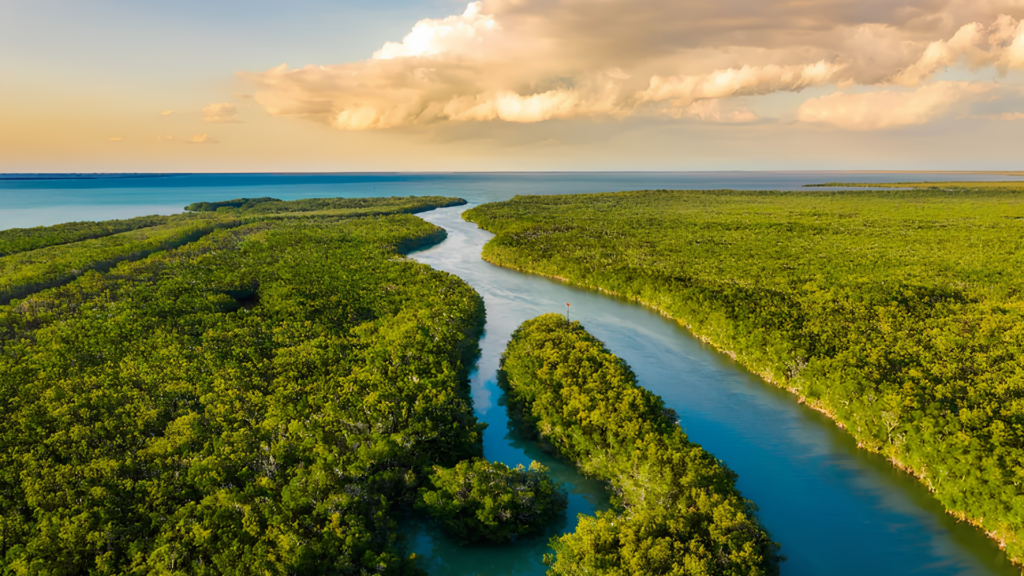
A must-visit for any birder. This vast wetland ecosystem is home to iconic species like herons, egrets, ibises, and the striking roseate spoonbill. It’s also one of the best places to spot wading birds and birds of prey in their natural habitat.
2. Ding Darling National Wildlife Refuge
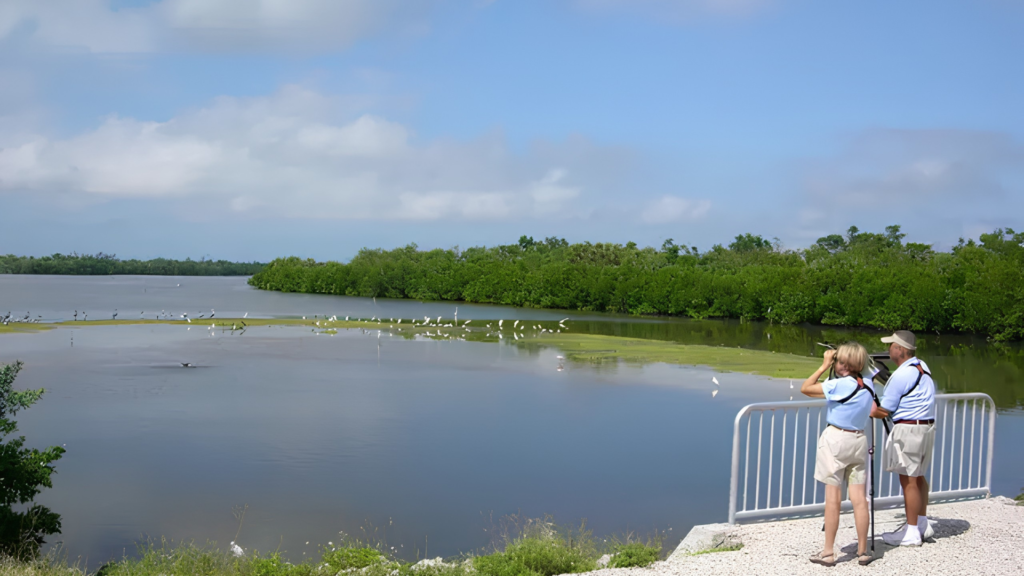
Located on Sanibel Island, this refuge is famous for its incredible diversity of shorebirds and migratory species. The wildlife drive makes birdwatching easy, even from your car.
3. Merritt Island National Wildlife Refuge
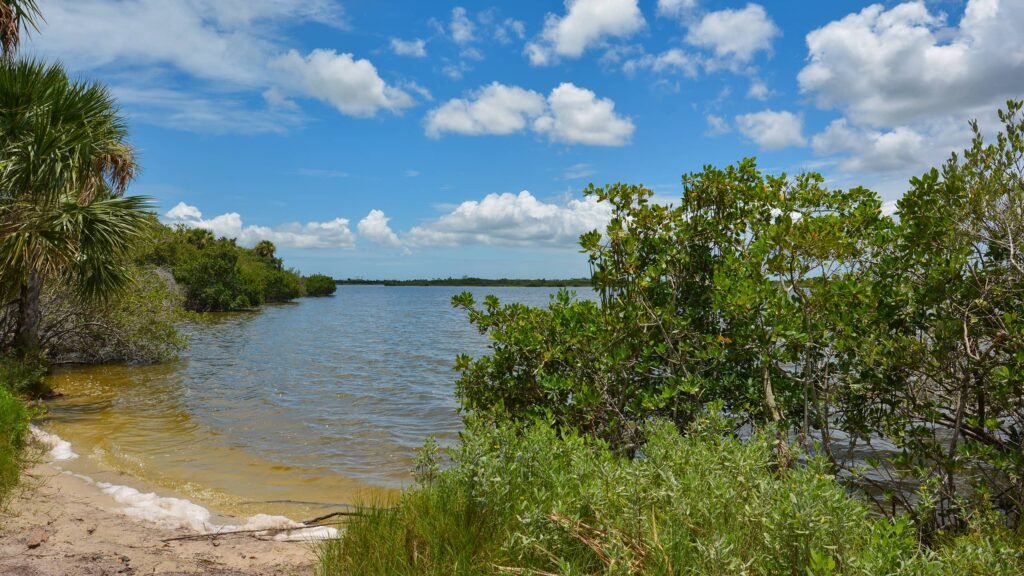
One of the most productive birding areas in the state. You can see everything from waterfowl and shorebirds to raptors. It’s especially active during migration seasons.
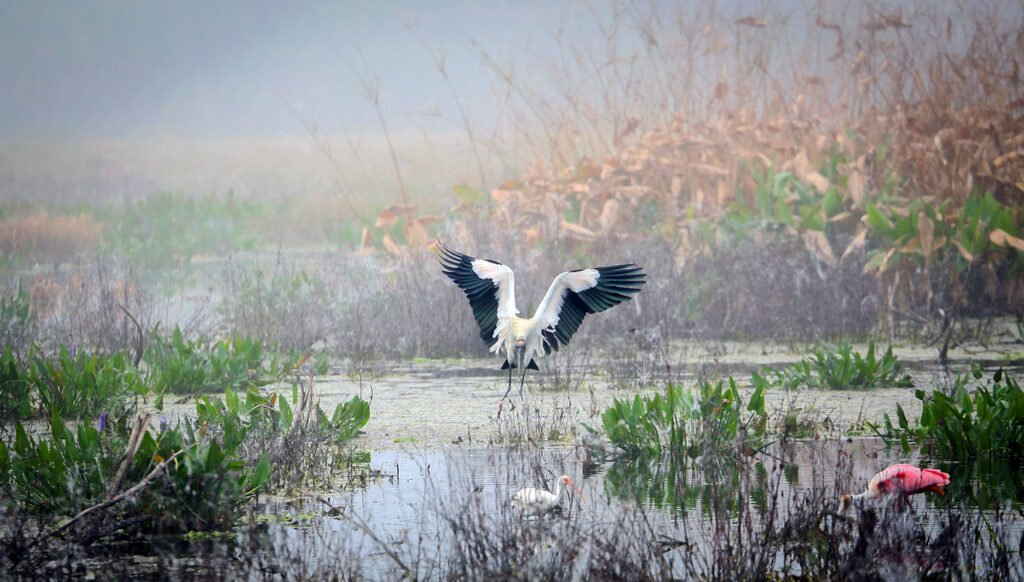
4. Corkscrew Swamp Sanctuary
One of the most productive birding areas in the state. You can see everything from waterfowl and shorebirds to raptors. It’s especially active during migration seasons.
Birds to Watch For
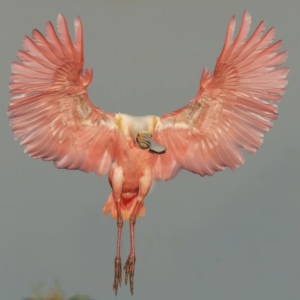
- Roseate Spoonbill – This stunning pink wading bird is one of Florida’s most recognizable species. Often seen sweeping its spoon-shaped bill through shallow waters in places like Everglades National Park.
- Snail Kite – A rare and specialized raptor, the Snail Kite feeds almost exclusively on apple snails. It’s best found in freshwater marshes across central and south Florida.
- Florida Scrub-Jay – The only bird species endemic to Florida, this curious and friendly jay lives in scrub habitats like those at Ocala National Forest.
- Wood Stork – A large, bald-headed wading bird often seen gliding over wetlands. Florida hosts important breeding populations, especially in protected areas like the Everglades.
- Osprey – A fish-eating raptor commonly seen hovering over lakes and coastlines before diving dramatically for prey. Found statewide, especially near water.
- Painted Bunting – One of the most colorful birds in North America, with bright blues, greens, and reds. Common in summer, particularly in coastal and shrubby areas.
- Brown Pelican – A coastal favorite, often spotted diving headfirst into the ocean for fish along the Gulf Coast and Atlantic Coast.
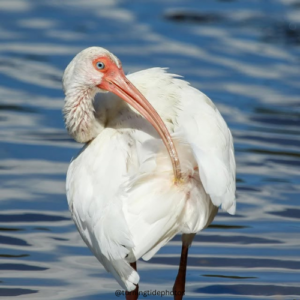
- Great Egret – Elegant and all-white, this tall wading bird is a symbol of Florida’s wetlands and can be seen year-round in marshes and estuaries.
- Anhinga – Sometimes called the “snake bird” because of its long neck, it swims with only its head above water. Common in freshwater habitats.
- Burrowing Owl – A small, ground-dwelling owl often seen standing near its burrow during the day. Found in open areas, especially in parts of southern Florida.
Best Times for Birding
- Spring (March to May) – Peak migration season in Florida. Thousands of birds travel along the Atlantic Flyway, making stops across the state. Expect to see colorful warblers, shorebirds, and songbirds, especially in hotspots like Merritt Island National Wildlife Refuge.
- Summer (June to August) – Breeding season is in full swing. Wading birds gather in large nesting colonies, and species like herons, egrets, and spoonbills are very active. It’s also a great time to observe resident birds in wetlands such as Everglades National Park.
- Fall (September to November) – Migration returns as birds head south. Shorebirds and raptors become more visible, especially along the Gulf Coast and Atlantic Coast. This is also a quieter time with fewer crowds.
- Winter (December to February) – One of the best seasons for birding in Florida. The state becomes a refuge for wintering birds, including ducks, wading birds, and rare species. Areas like Ding Darling National Wildlife Refuge are especially active and rewarding.
Tips for Birding in Florida
Bring binoculars (and a scope if possible) – Florida’s wetlands, lakes, and coastal areas can be wide and open. A spotting scope helps you see distant wading birds, shorebirds, and raptors more clearly.
- Explore different habitats – From the vast wetlands of Everglades National Park to coastal mangroves and inland forests, Florida offers diverse environments. Each habitat attracts different bird species.
- Use local hotspots and apps – Tools like eBird help you find recent sightings and top birding locations across the state.
- Prepare for heat and weather – Florida can be hot, humid, and rainy, especially in summer. Wear light clothing, bring water, and plan birding trips early in the morning.
- Watch for seasonal surprises – Florida is known for attracting rare and tropical species, especially in southern regions. Migration seasons can bring unexpected and exciting sightings.
Birding in Florida is Wild, Vibrant, and Unforgettable
Florida is a true paradise for birdwatchers. With hundreds of recorded species and year-round birding opportunities, it’s one of the top destinations in the United States for both beginners and experienced birders. From the rich wetlands of Everglades National Park to the coastal beauty of the Gulf Coast and Atlantic Coast, every corner of the state offers unique habitats and incredible birdlife.
Whether you’re watching colorful songbirds during spring migration or spotting elegant wading birds in the wetlands, Florida delivers unforgettable birding experiences all year long. Don’t forget your field guide, a reliable pair of binoculars, and your sense of adventure—the birds of Florida are waiting.